Pedagogy
I have always had a natural inclination to teaching. I remember being the kid in the crafts class who would finish my craft quickly, then would turn and help the other kids. I taught my first-ever class as a tween at my local community center, teaching kids how to make things out of duct tape.
In graduate school, I knew I wanted to experience teaching at a collegiate level, and at Kent State, I was able to teach all three years of my program. First, I taught the Fundamentals of Production Laboratory for the costumes section. I would watch my professor teach the section on Monday, teach for the first time in the Wednesday section, and improve things for my Friday section. I taught this in-person lab two times a week for my first semester, and four times a week in my second semester when our school shut down and we had to transition into virtual learning. I elaborate further on that transition and the curriculum I produced for my second year’s lab course below.
In my third year, I was able to teach my first lecture course, Fundamentals of Production II: Costumes, Lighting, and Projections (THEA 11732). In this course, I taught once a week, with lighting and projections trading off for the second class day of the week. We covered the basics of costume design, costume shop roles, and what happens with wardrobe backstage.
Pedagogy
Kent State University
Academic Year 2020 -2021
Fundamentals of Production Laboratory III: Costumes
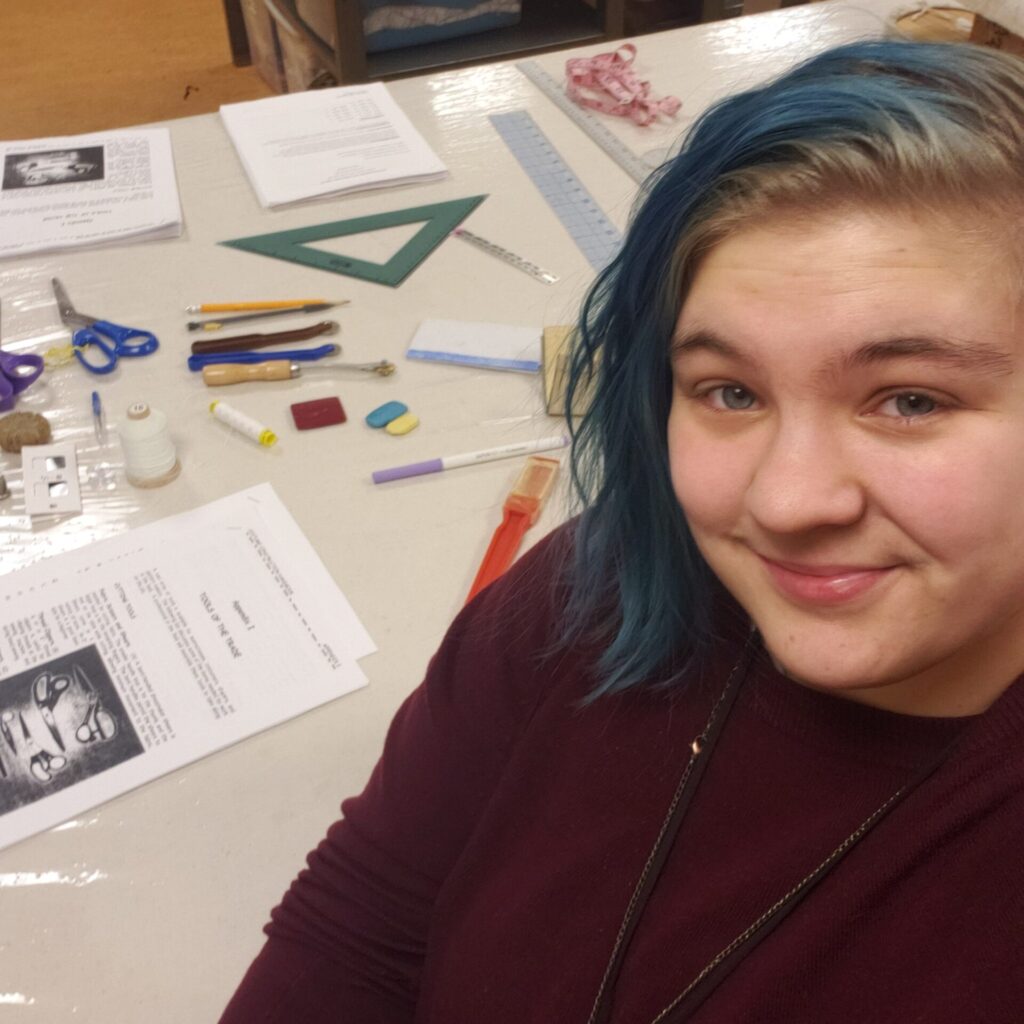
During the 2020-2021 academic year, I taught the Fundamentals of Production Laboratory III: Costumes (THEA 11733) at Kent State University. I taught several sections of the course, ranging from complete beginners to a dedicated section for more experienced students. This was my second year teaching this course; my first fall semester was all in person, and we transitioned to virtual learning mid-spring semester. I developed this video curriculum over the summer in 2020 to guide students through foundational techniques at their own pace, building a self-contained resource they could return to throughout the virtual course.
Hand Stitching
This video demonstrates fundamental hand-stitching techniques for students to use as an initial learning tool and as a reference as they work through the bag project, if needed.
Hand-sewn Bag
This series of videos guides students through the full construction of a hand-sewn bag. Cutting and pattern layout were taught through written instructions and PDFs, which are attached below. Students then followed the videos to complete the construction by hand. In a non-remote setting, this project is typically taught on a machine, but during lockdown, all sections were required to hand-stitch their bags to keep the experience consistent across skill levels.
Shorts Project
Though most sections were made up of freshman actors and non-costume students learning to sew for the first time, this particular section was designed for students who already had foundational sewing skills but needed experience with theater-specific construction techniques.
Supervision
Working as a Draper, in costume shops both big and small, I regularly supervised and mentored stitchers and first hands throughout the build process.
I enjoy working in positions where there is an element of mentoring stitchers, first hands, or junior drapers to grow in their positions and try things that might seem too hard or even scary! I want to create an open environment where those working around me feel comfortable asking why we are doing something a particular way. Because in theatrical sewing, there are a million ways to do one task, and we are all always learning.
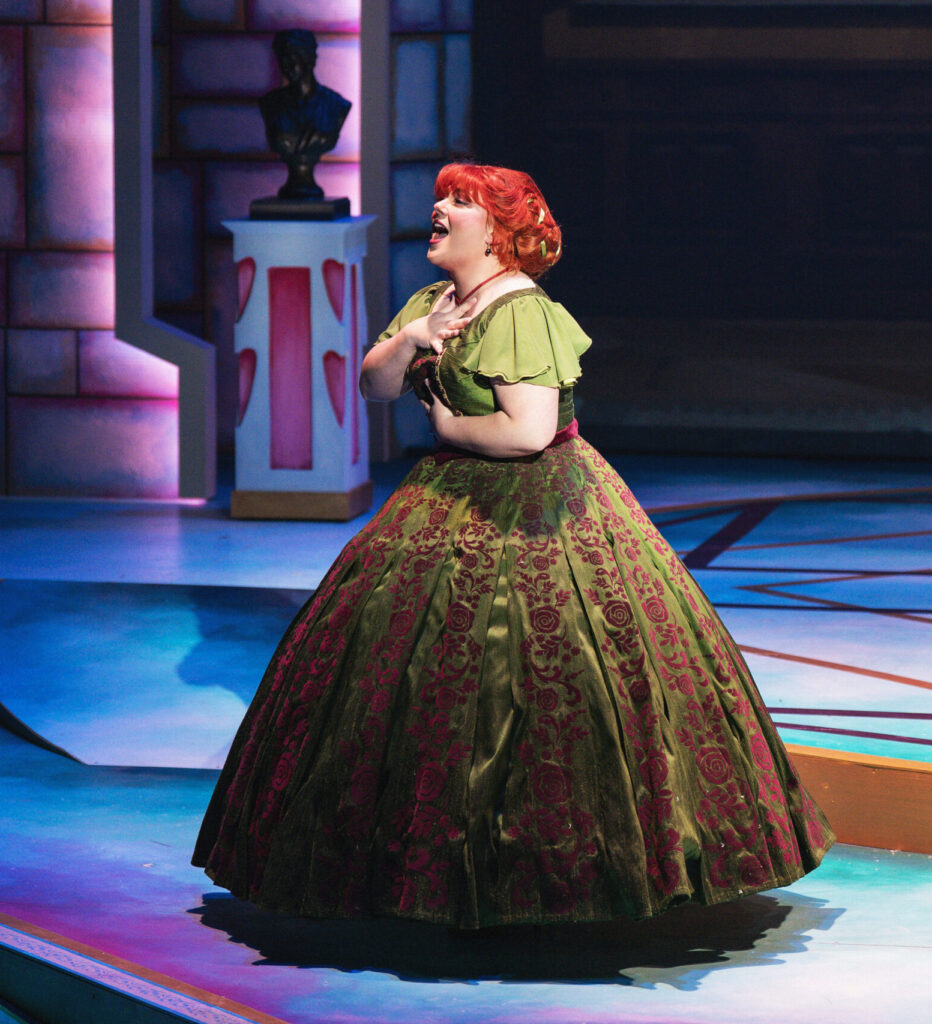
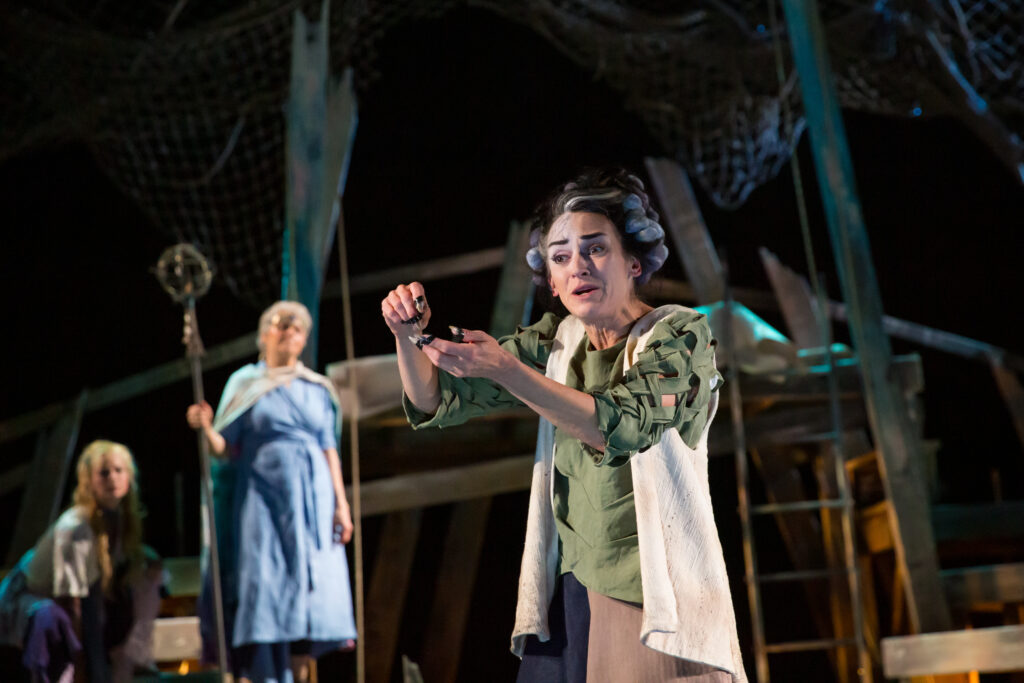
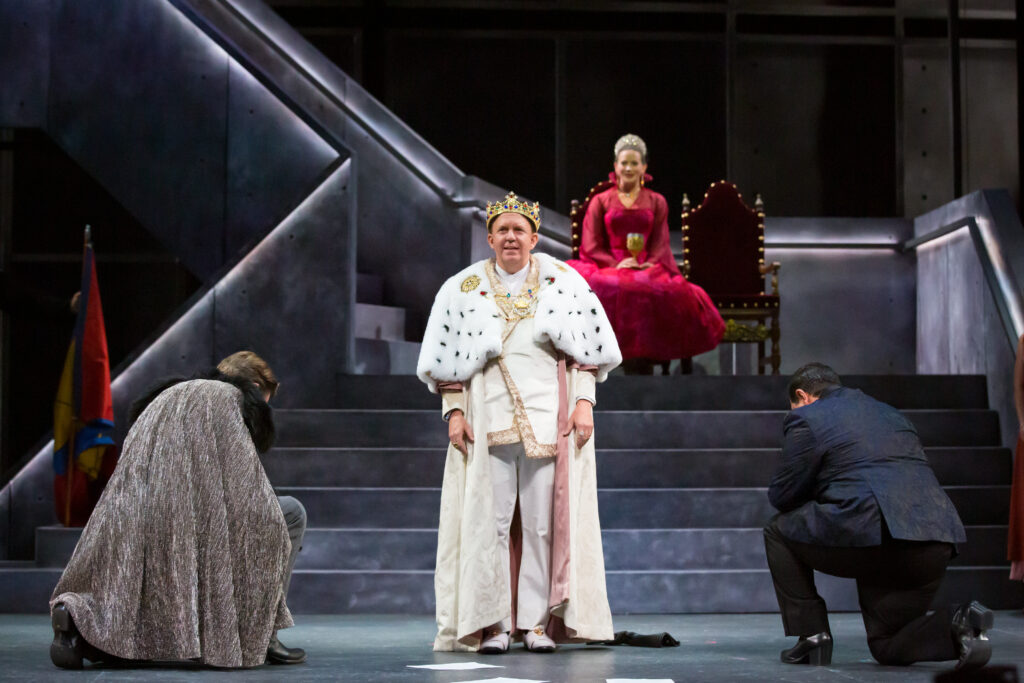
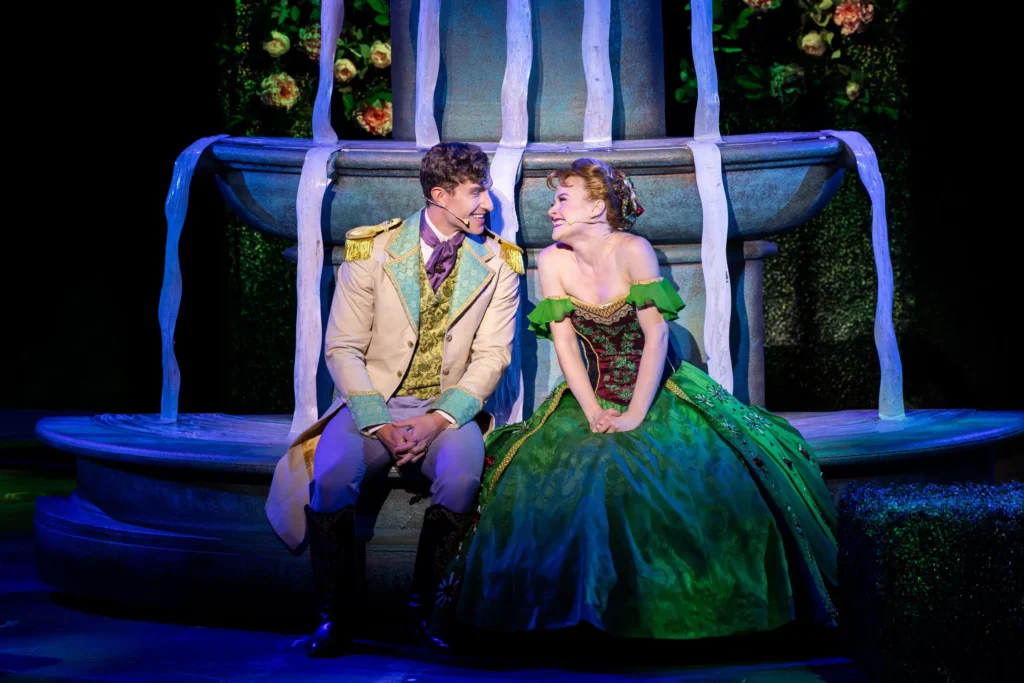
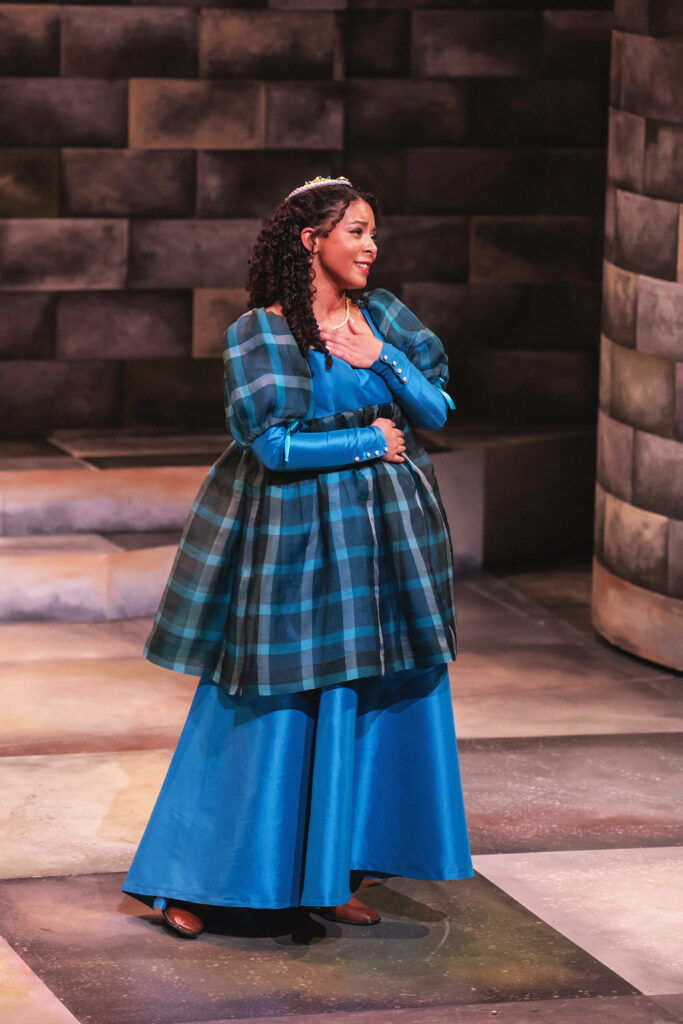
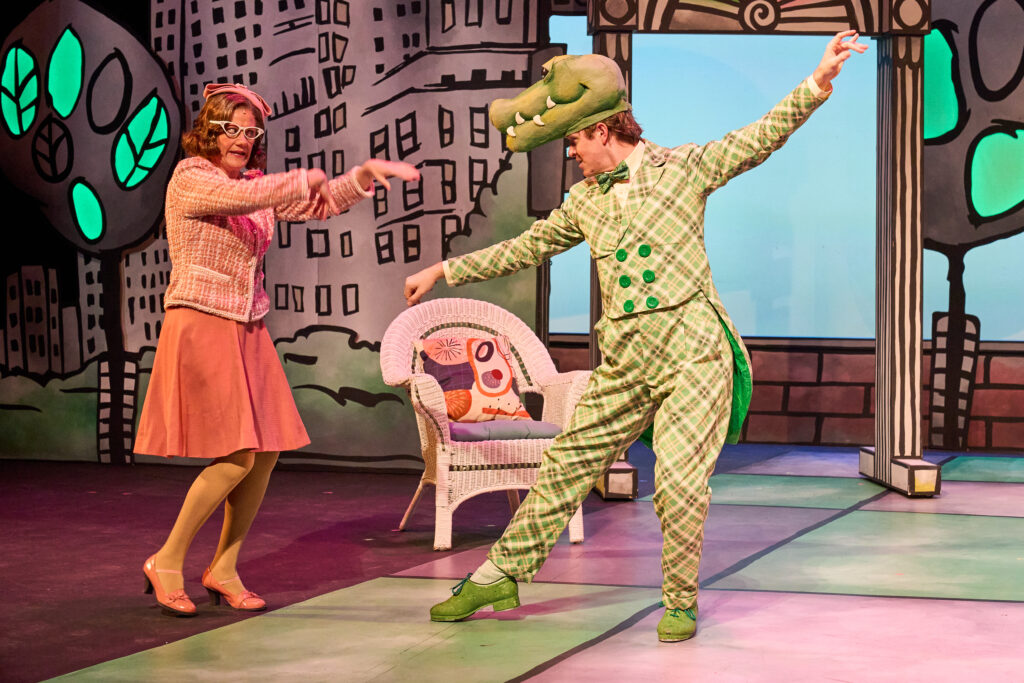
Below is a selection of projects where I worked with teams of all sizes to create the works you see.